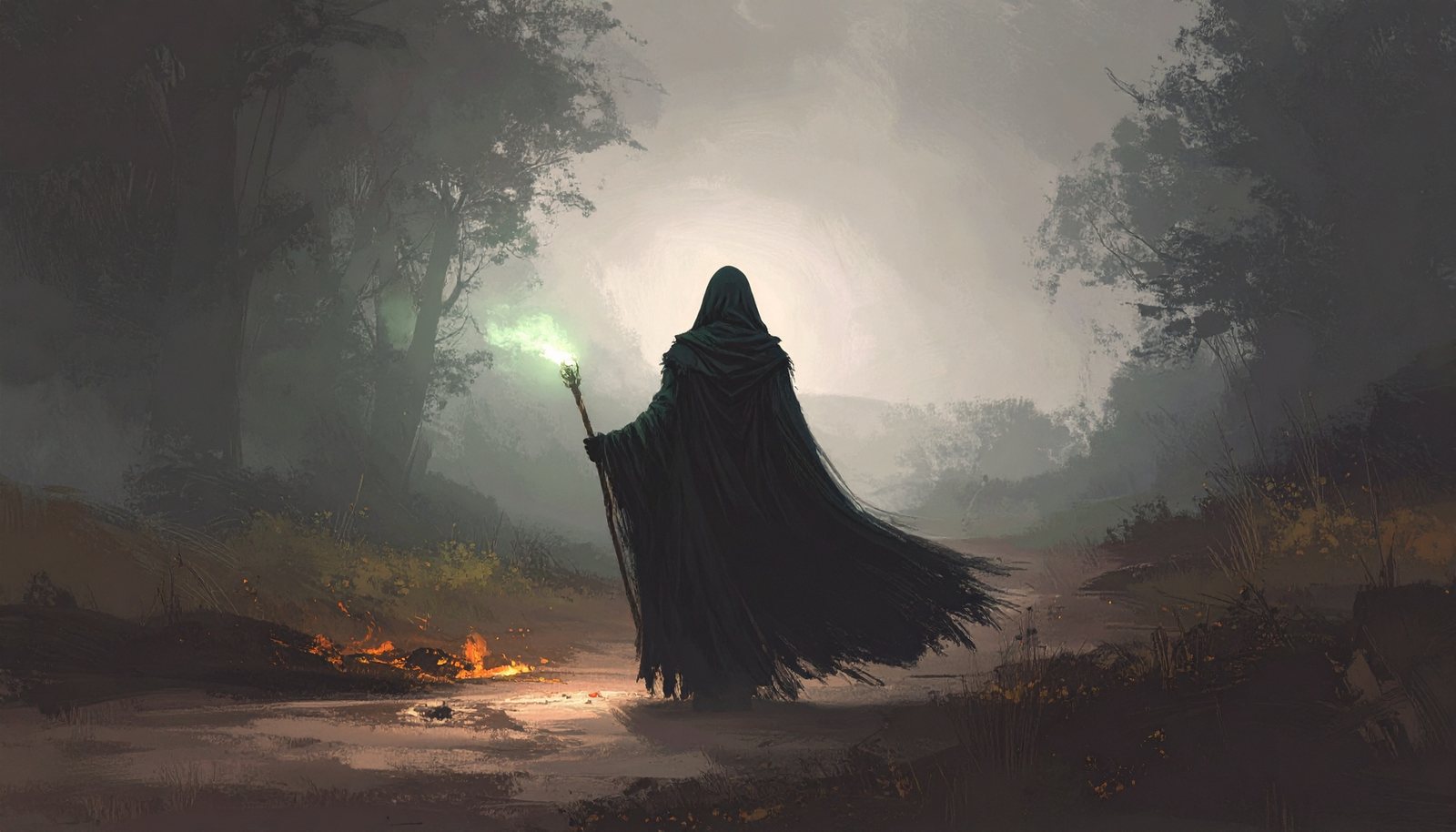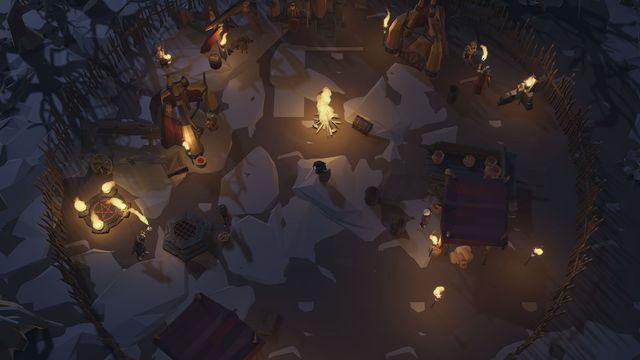
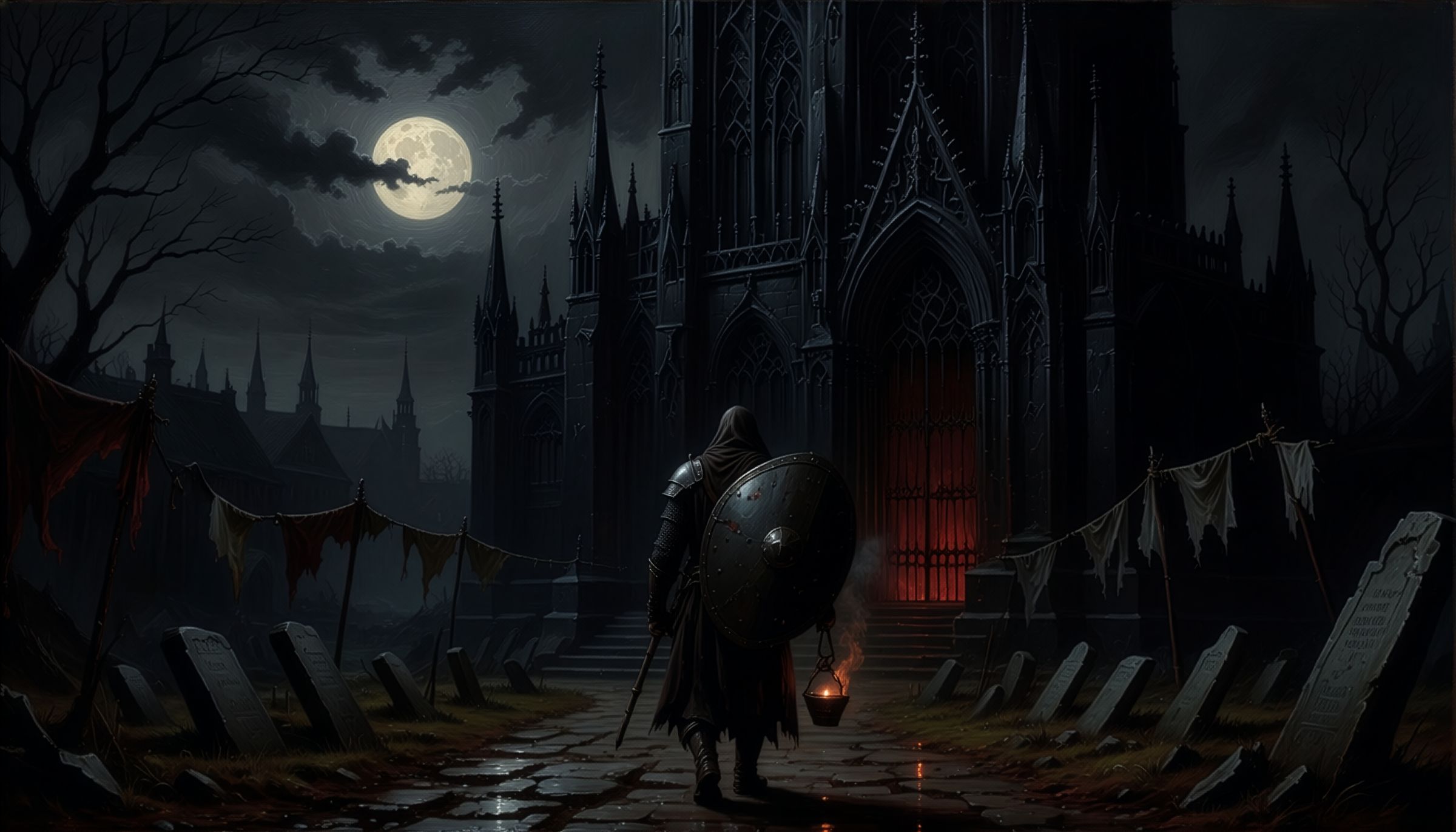
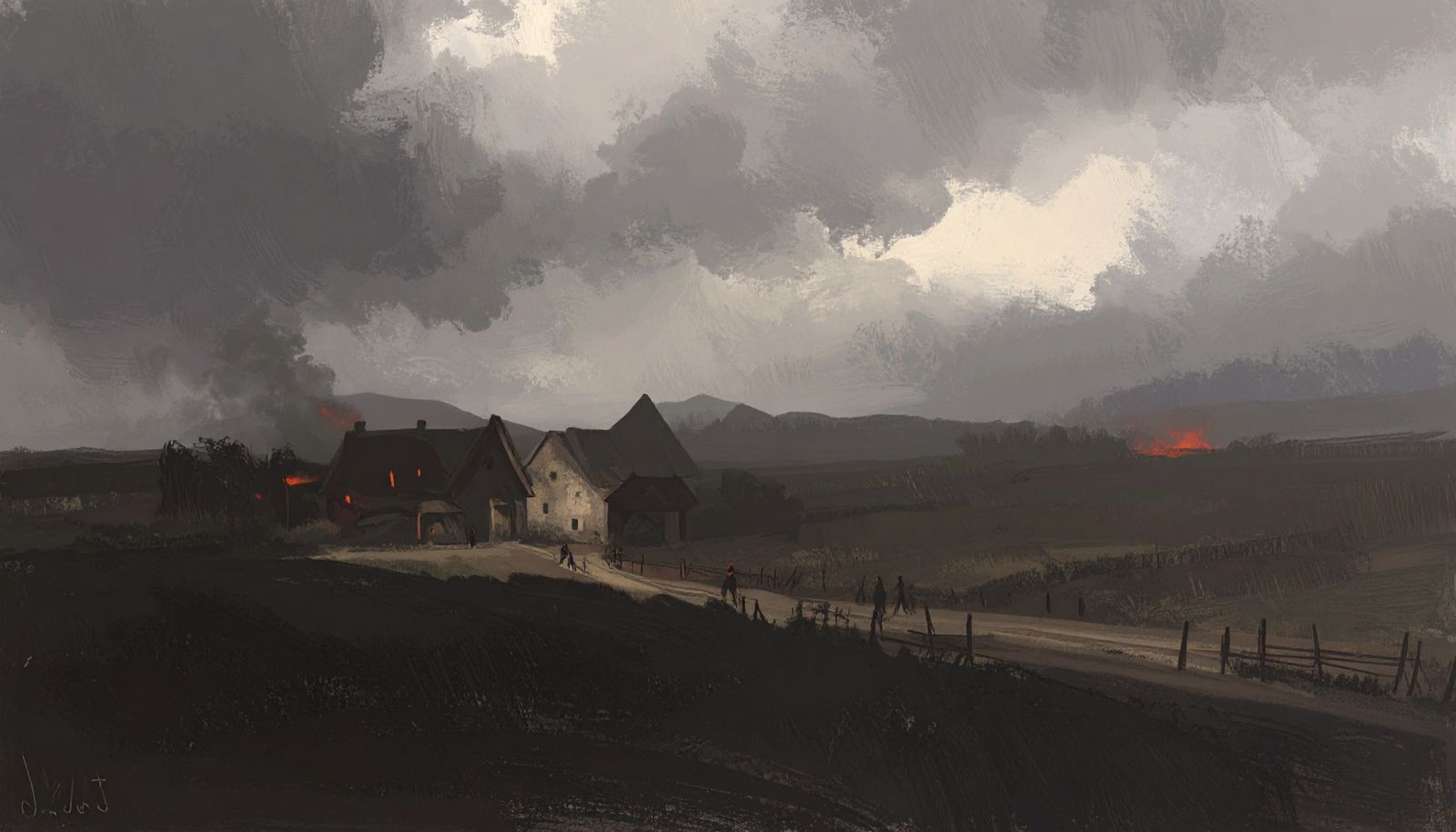
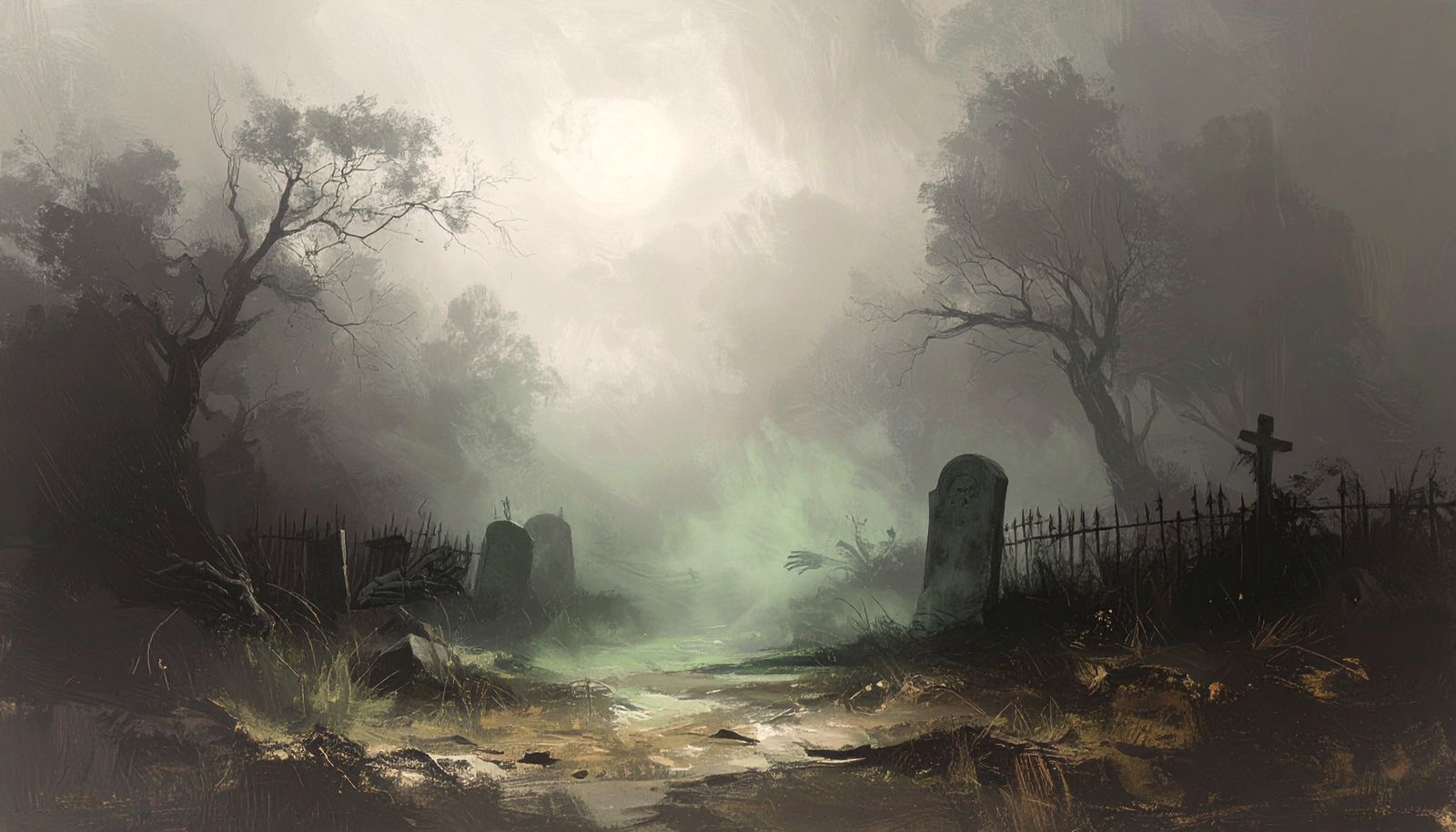
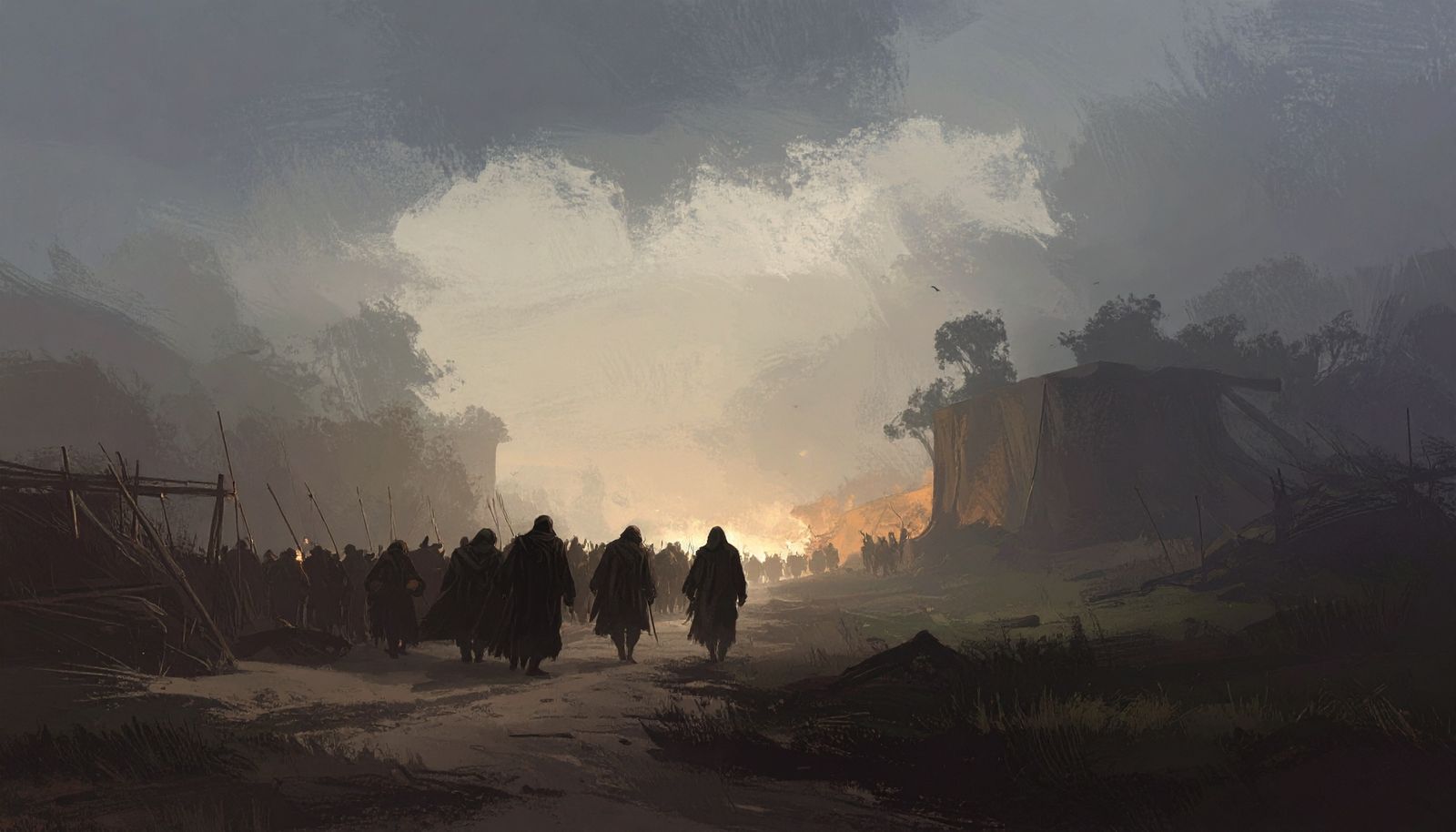
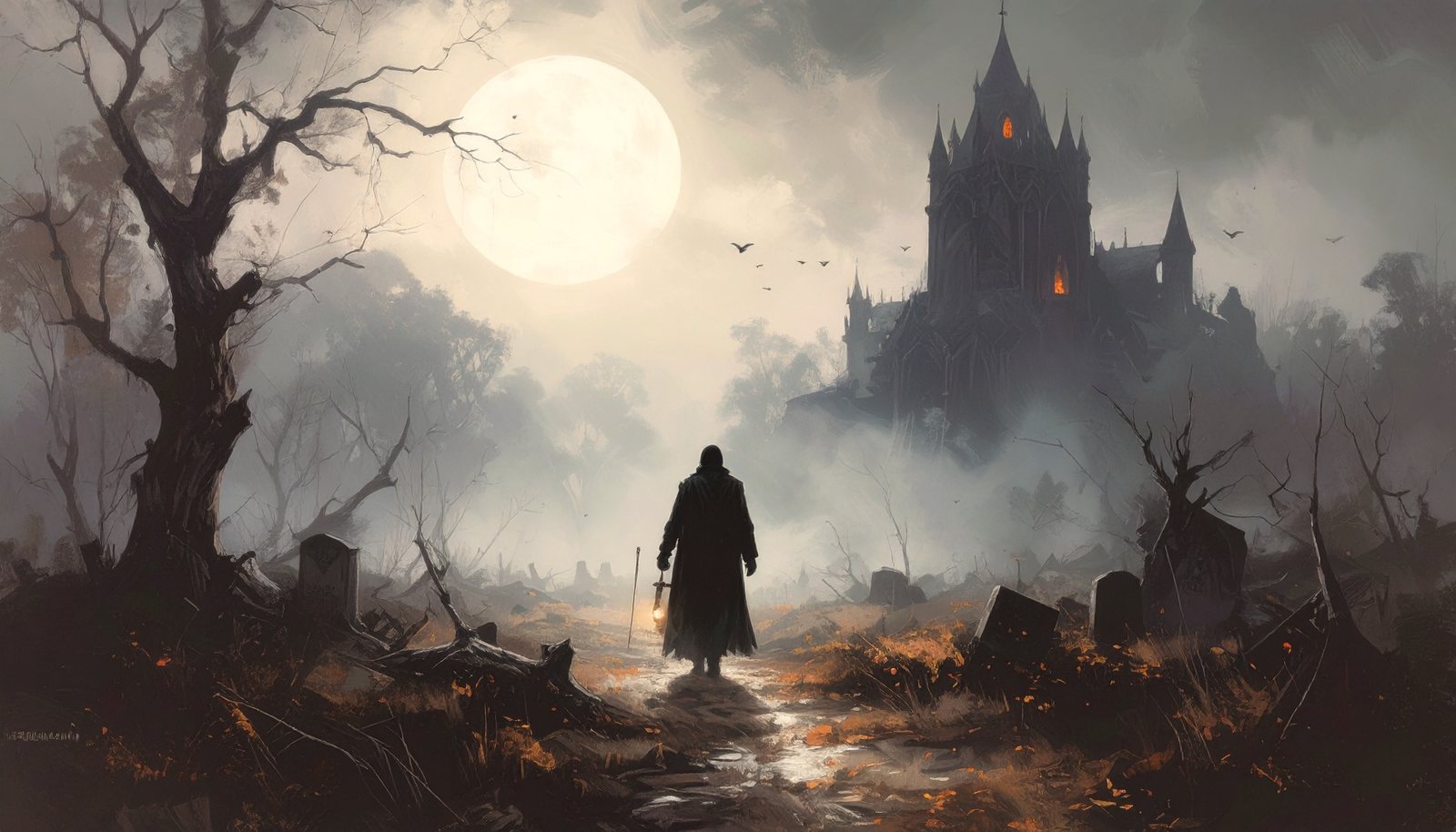
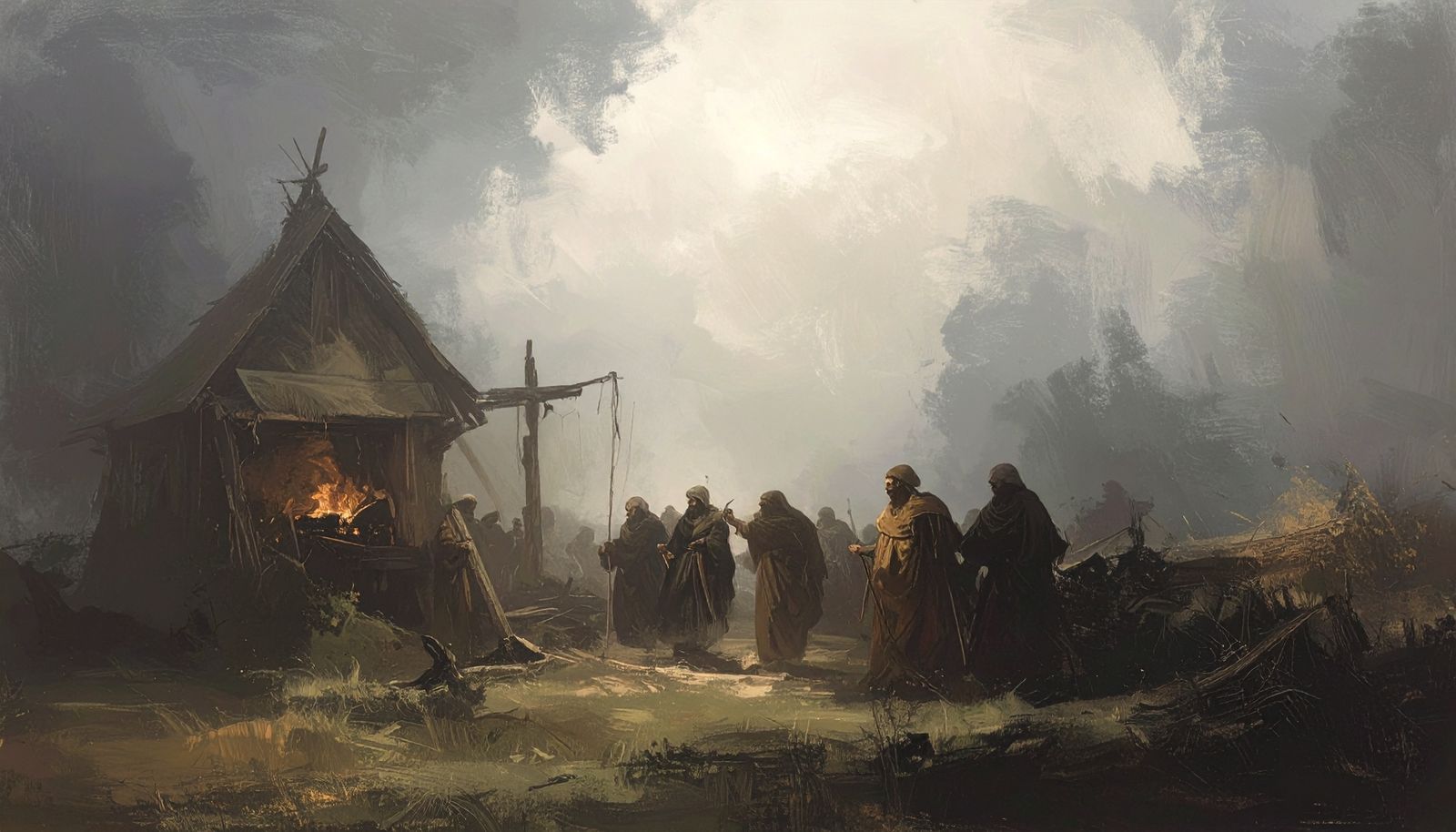
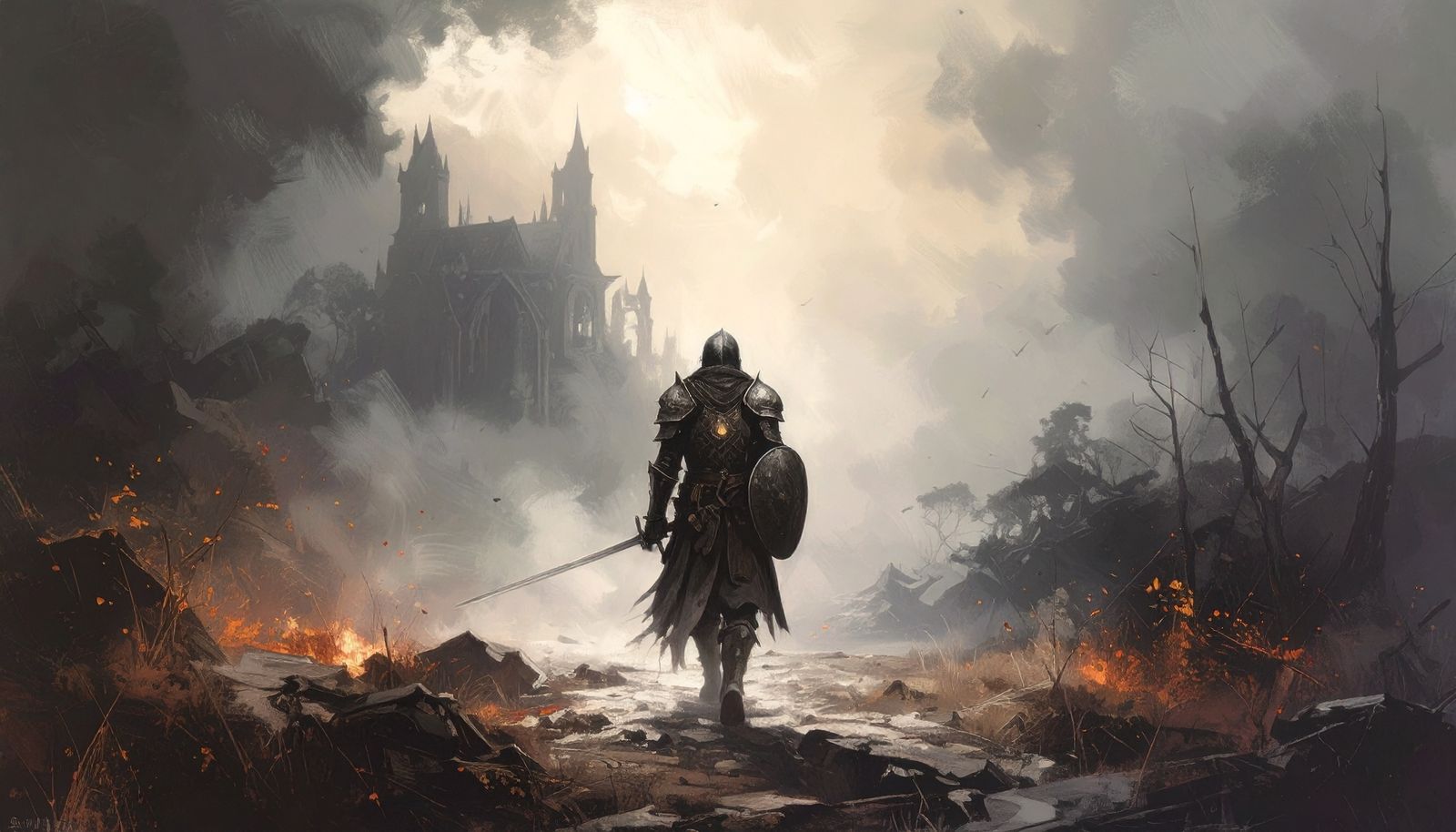
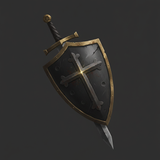
Concept art — vision piece, not in-engine
real screenshots below ↓
Top-down action RPG · gothic dark fantasy
The mark spreads.
A grim, loot-driven action RPG for the player who reads a build sheet like a puzzle. Two playable classes so far — a sword-and-board Templar and a hex-weaving Witch, with more in development — each with three deep skill trees and dozens of build-altering runes, the best of them changing how a skill works rather than just how hard it hits. Real itemization, a corruption gamble that named the game, and combat where every telegraph tells the truth.
A holy order fell here, and something wears its cathedrals now. The mark is how the dark keeps score — carve through it, brand it back, and find out how far down the corruption goes.
The pillars
Kill, loot, build, descend
Classic ARPG bones — visceral combat, real loot, deep builds — built in Unity 6 and tuned for readable, weighty combat.
Two classes, forty-five skills, and every hit earns its weight
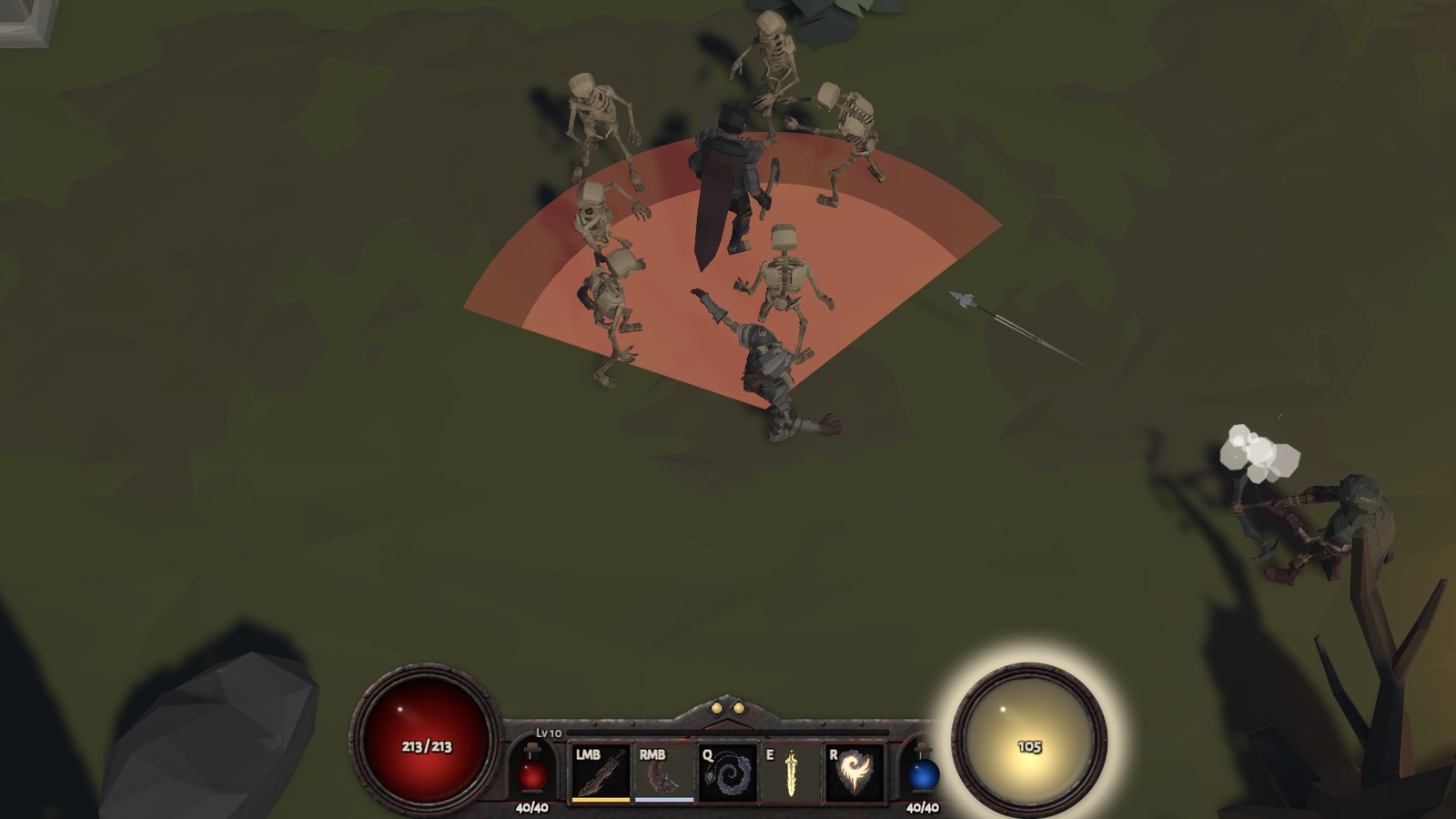
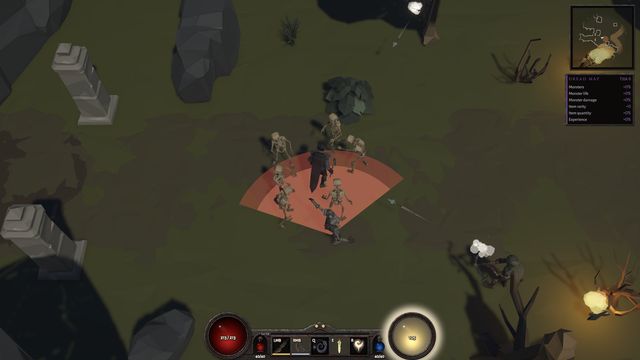
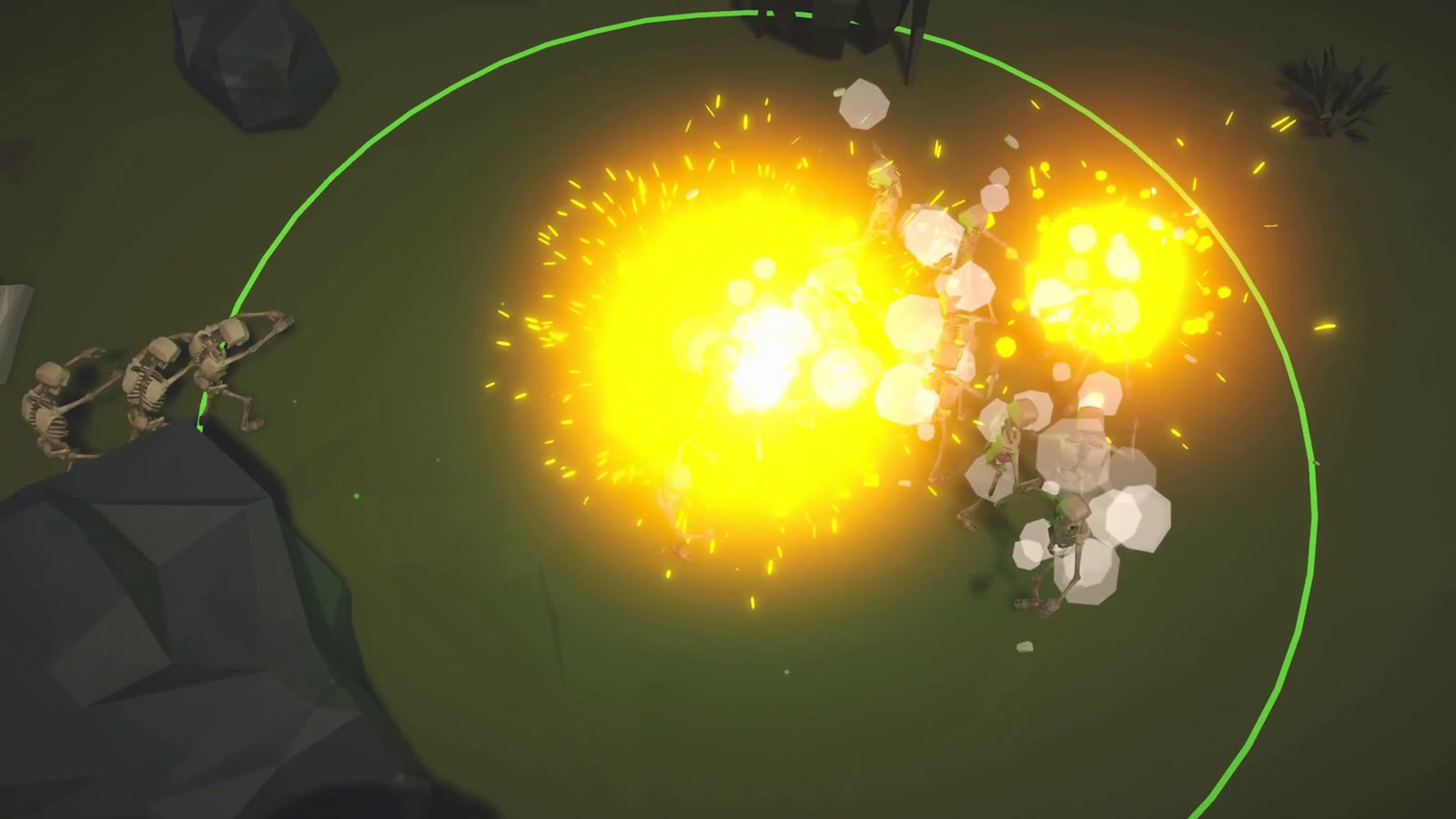
Melee arcs, channels, dashes, lobs, novas, summons, a blink, a gravity well — 45 skills across thirteen cast shapes between the two classes, each fed by its own generator/spender resource. Five damage types with live ailments — ignite, chill, freeze, shock, stacking poison — flowing both ways. Every telegraph is honest: red is theirs, blue is yours, a swing can genuinely miss, and a dodge roll with true i-frames is always an answer.
Six skill trees, one build that's yours
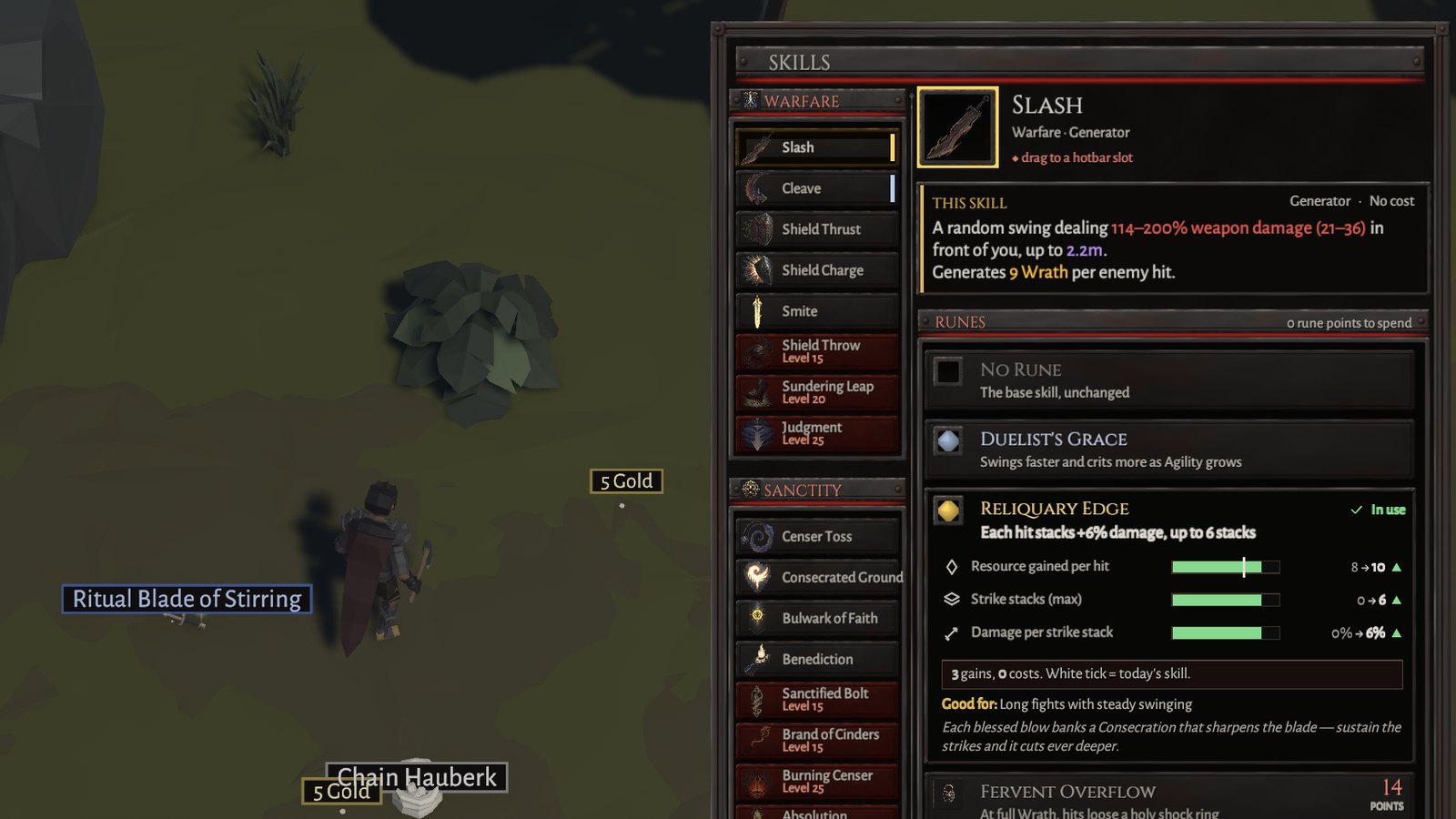
Each class owns three deep trees — the Templar's Warfare, Sanctity and Retribution; the Witch's Maledictions, Pestilence and Ruination — 170 nodes of actives, passives and keystone build-definers, five keystones a tree. Then the rune layer: most skills carry three or more runes, and the best of them change what a skill does — projectiles that chain or pierce, hazards left burning on the ground, a summon squad rebuilt into a tank, a curse detonated for a burst. Power always pays: a runed skill trades, never just gains.
Itemization that rewards a theorycrafter
50 affix families rolling up to five tiers deep, gated by where they dropped. Eight crafting currencies to reroll, upgrade, or wipe a piece clean — and the Dread Sigil: a corruption gamble that brands an item with power beyond any normal roll, or ruins it. Named uniques, Magic Find, and flasks that carry their own affixes. Every number is in the wiki.
Packs with affixes of their own
The dead roll mods too: magic and rare enemy packs draw from 50 monster affixes — elemental attackers, blink-strikers, summoners, volatile death-pools, auras that harden the whole pack. Five named minibosses with hand-built kits stand between you and the Cathedral, where the Dark Lord waits through three phases under one long moonlit night. Fell him and the Dread Tier opens — crank the danger for fatter loot, as far as you dare.
In development
Real screenshots, in engine
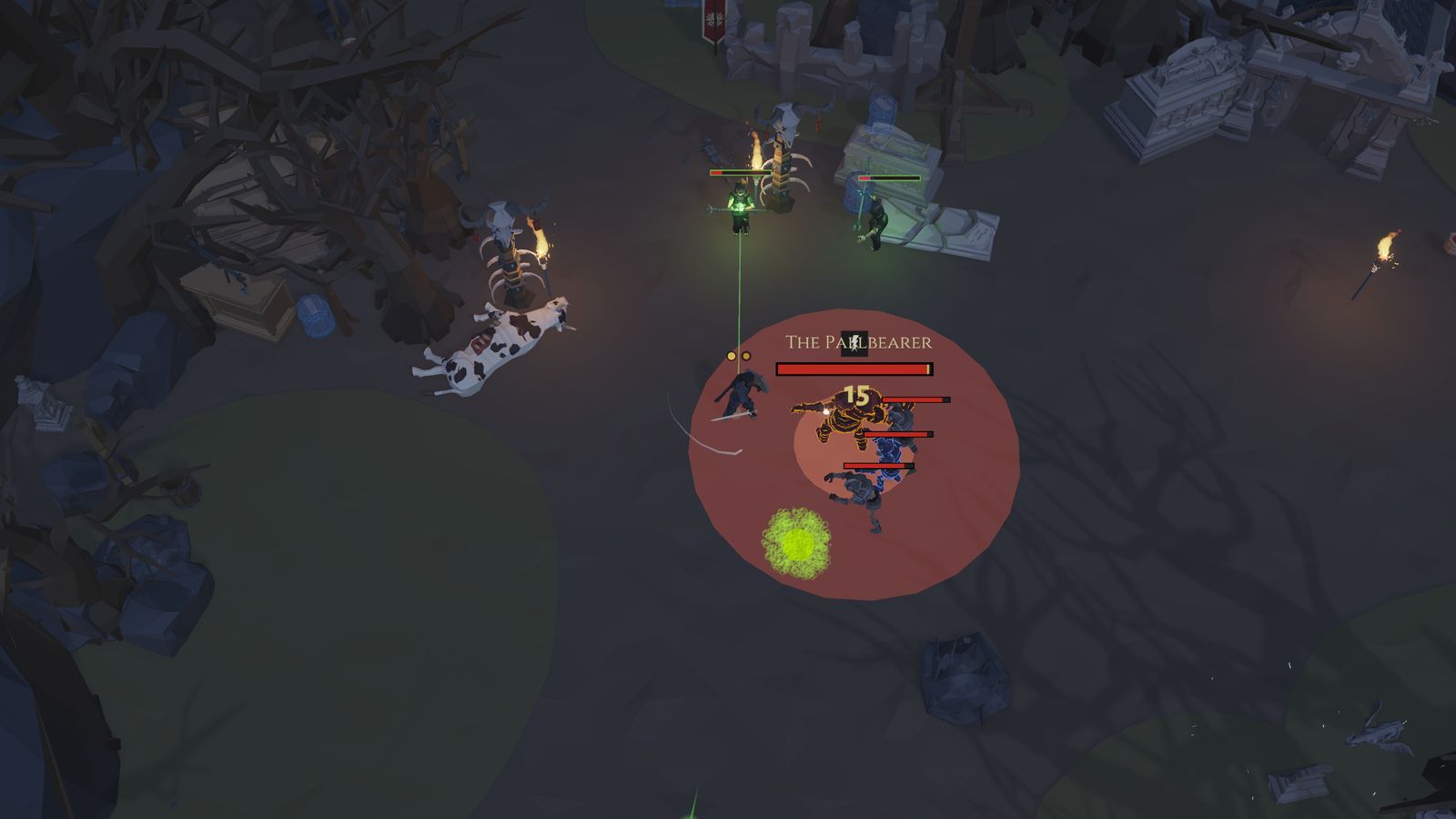
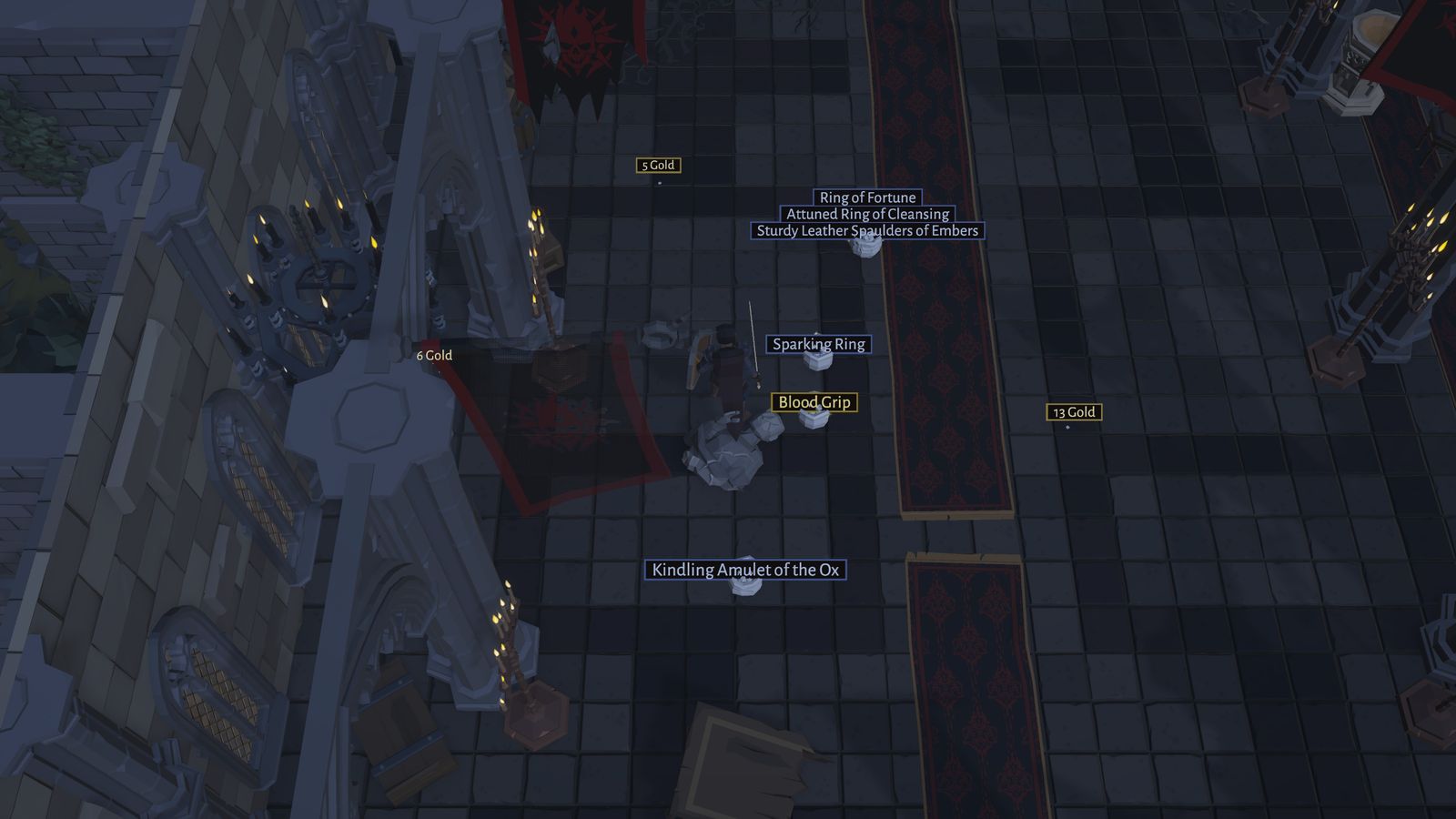
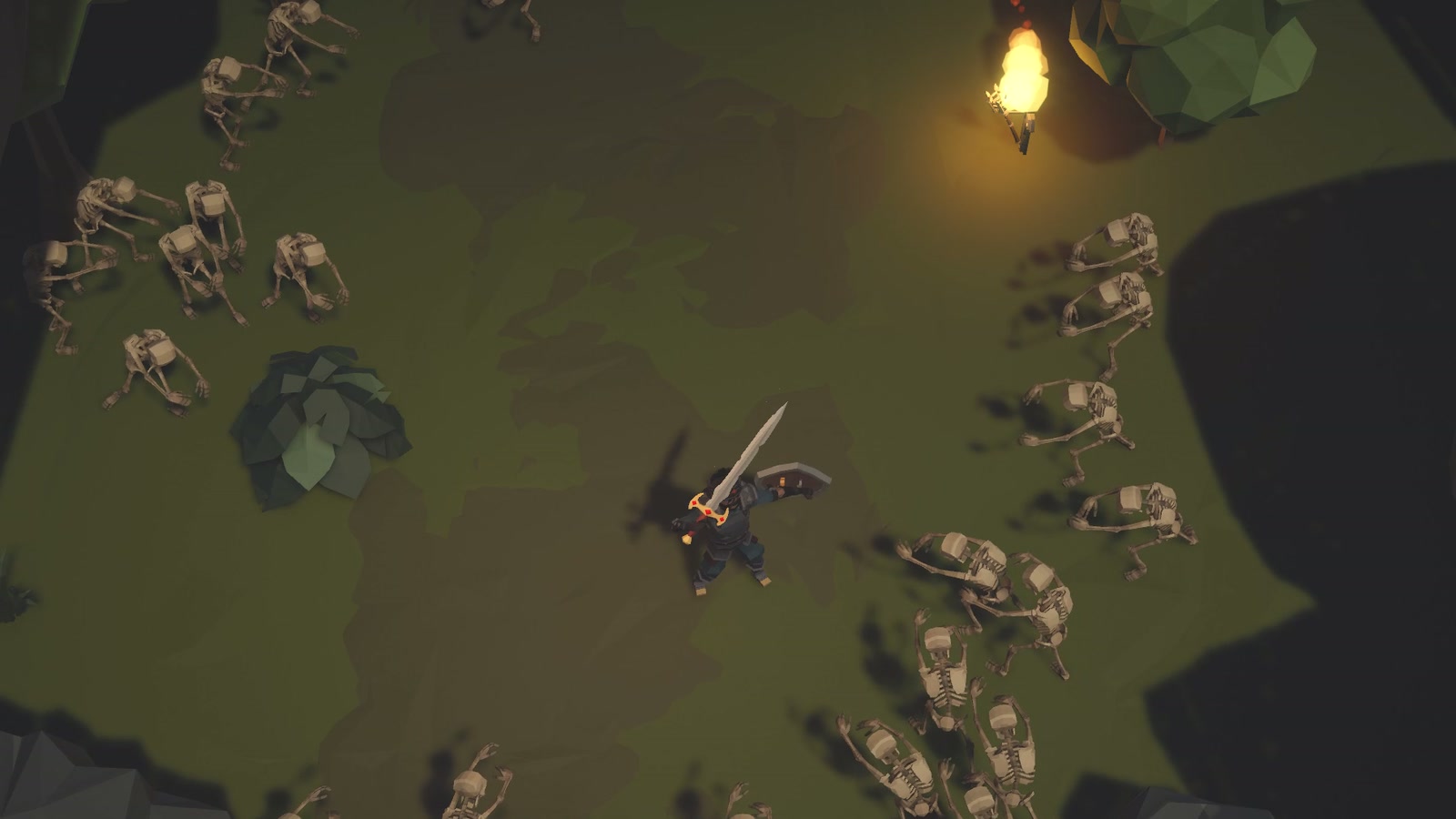
Every shot below is an unedited in-engine capture — no concept art, no mockups.
Pre-alpha footage. UI and art are still being finished — more shots land with every devlog entry.
The demo
A free, honest slice of the descent
The Dreadmark demo will be free and self-contained: one handcrafted descent from the Pilgrims' Camp, through the blighted graveyard, into the Cathedral — running the real game's systems, not a stripped mock-up.
Pick your class — Templar or Witch, softcore or hardcore — and everything under the demo's level cap is genuinely yours: loot with rarities and affixes, crafting currencies and item corruption, both classes' skill trees with build-altering runes, summonable minions, elemental ailments, dangerous elite packs, the five minibosses guarding the way down, and the Dark Lord himself waiting at the end of the descent. Higher up the trees you'll see what stays locked — the deepest capstones and the strongest builds belong to the full game, waving at you from above the cap.
No release date yet — the demo ships when the tuning pass says it's ready. The devlog is the most current word.
- Two playable classes — Templar and Witch, softcore or hardcore
- Three connected zones — camp, graveyard, Cathedral
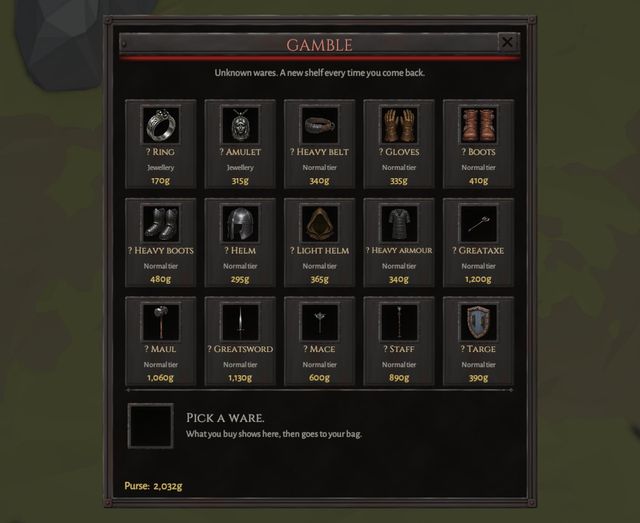
- The full loot loop — drops, crafting, corruption, uniques, gambling
- Six skill trees with runes to unlock and swap freely
- The Dark Lord — a three-phase fight to end the descent
- The online ladder — race the Reckoning or climb the Eternals
- The level-30 capstones — locked above the demo's cap
- The deepest runes and endgame systems — full game only
Online, honestly
A living ladder — not co-op, not PvP
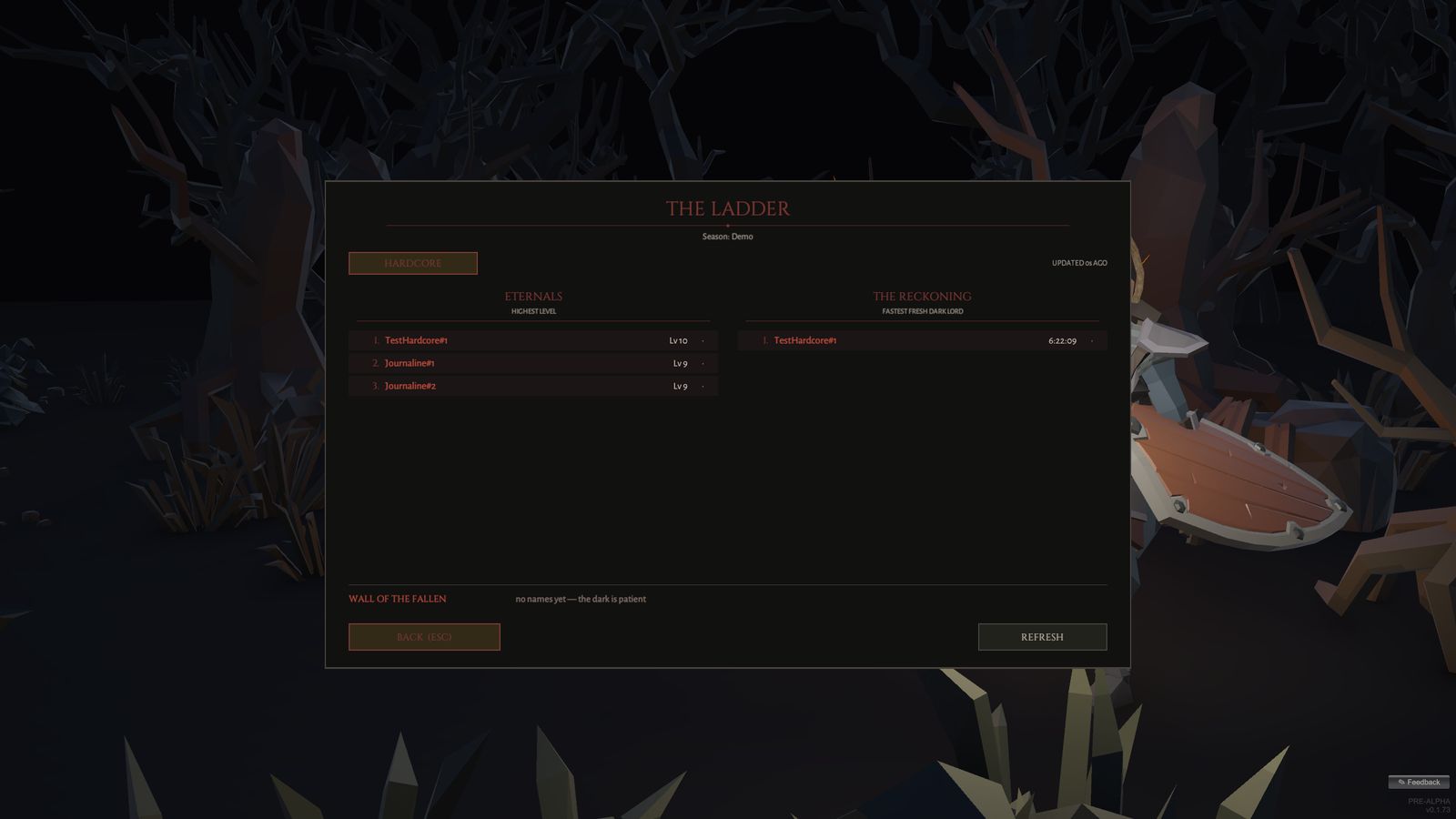
Dreadmark is single-player at its core, but never quite alone. A live online ladder ranks the highest pilgrims and times the Reckoning — a fresh-character race to the Dark Lord, clocked by the server from the moment of birth, so the run cannot be argued with. Fallen hardcore pilgrims keep their place on the wall, marked with a skull; the in-game board shows each one's spectral echo in their real gear. Every run is a hash-chained journal validated against server seeds — the name at the top earned it.
See the ladder →Where it stands
The road to release
Phases, not dates — each one ends when it's actually done, and every step lands as a devlog entry.
Done
Foundation — the game is playable end to end
- Two playable classes — a sword-and-board Templar (Vigor) and a hex-weaving Witch (Malice) — chosen at a character-creation screen, softcore or hardcore
- Six skill trees, 45 castable skills and 191 build-altering runes — the best of them changing how a skill works outright
- The full itemization loop live in play: rarity tiers, prefix/suffix affixes, crafting currencies, corruption, gambling, Magic Find, uniques
- Five damage types with resistances and penetration, an accuracy/miss system, plus ailments — ignite, chill, freeze, shock, stacking poison — both ways
- Magic and rare enemy packs with their own affixes and auras; five named minibosses; and the Dark Lord — a bespoke three-phase end boss that closes the demo
- The Dread Tier — a post-boss difficulty ladder that trades danger for loot — plus summonable minions with real AI
- The handcrafted zones: Pilgrims' Camp hub, the graveyard approach, and the Cathedral — waypoints, town portals, vendors, a gamble stall, a stash
- A live online ladder with seasons and anti-cheat, 97 fitted weapon and off-hand looks, fully rebindable controls, minimap + overlay map, per-character saves
Now
Playtest and tune
- Deliberately building nothing new — every mechanic gets played, judged, and adjusted by a human before it counts as done
- A standing queue of hands-on feel checks is being drained: skill and rune tradeoffs, minion behaviour, effect picks, pacing
- The balance rule being enforced: a rune that adds power must pay for it — sidegrades, never auto-picks
Next
From placeholder to final
- Replace every deliberate stand-in, top down: skill-cast effects, minion models, dedicated cast animations, per-effect sounds, finished icons
- Hand-placed encounters through the demo zones for a properly paced descent
- An itemization quality pass — making sure drops, affixes and uniques feel worth picking up
- The polish and balance pass that clears the free demo for release
Later
Beyond the demo
- More playable classes — two more are already in design
- Procedural dungeons brought into playable form — the layout generator already exists and is simulation-tested
- The larger campaign journey beyond the demo's zones
- The deepest progression: highest-tier skills, runes, and endgame systems the demo only hints at
- A free public demo first — then the road to the full game on Steam
No dates on purpose: this is a small project that ships each phase when it's genuinely ready, and says so in public, in the devlog, as it happens.
The compendium
A wiki generated from the game itself
Every affix tier, roll range, base, currency and unique — published straight from the game's own data tables, the way the genre's great references do it. When a patch changes a number, the wiki regenerates with it. Theorycraft away.
Open the wiki →